

Table of Contents
- Understanding Firefighter Gear Durability Standards
- NFPA 1851 Turnout Gear Maintenance Requirements
- Firefighter Gear Inspection Checklist for Daily Use
- How to Restore Old Fire Helmets and Extend Service Life
- Material-Specific Durability and UV Degradation
- Gear Replacement Cycles and Budget Planning
- Digital Tracking and Inventory Management for Protective Ensembles
- Frequently Asked Questions
Last Updated: September 25, 2026
Understanding Firefighter Gear Durability Standards
Firefighter gear durability directly impacts how long your equipment protects you. The protective ensemble your department issues has been engineered to withstand extreme heat, chemical exposure, and physical trauma.
NFPA 1971 sets the baseline for structural firefighting protective ensembles, defining thermal protective performance, total heat loss resistance, and the materials that make up the outer shell, moisture barrier, and thermal liner. These standards exist because gear failure in the fireground is a life-or-death issue.
At EH Coverings, we provide American-made accessories and restoration components that extend the service life of your equipment. The durability of your protective equipment starts with understanding how it degrades and what you can do to slow that process.
NFPA 1851 Turnout Gear Maintenance Requirements
NFPA 1851 governs how your turnout gear should be maintained throughout its service life. Maintenance directly determines whether your gear meets original performance standards or degrades below acceptable levels.
NFPA 1851 requires documented maintenance records for every protective ensemble to track hazard exposure and remaining service life. This documentation helps you make informed decisions about when to retire gear versus when it's still safe to use.
Routine Cleaning Protocols
Daily cleaning after fire exposure is non-negotiable. Soot, ash, and smoke residue contain carcinogens and volatile organic compounds that can be absorbed through your skin.
Routine cleaning starts with a thorough rinse of your outer shell using cool water and mild soap. Avoid high-pressure washers that can force contaminants deeper into the fabric. Pay special attention to seams and reflective trim, where carcinogen buildup tends to concentrate.
The moisture barrier and thermal liner require gentler handling. Use a soft brush and mild detergent rather than harsh chemicals to remove contaminants without accelerating natural degradation.
Advanced Decontamination After Fire Exposure
After significant fire exposure, advanced decontamination protocols target carcinogens that settle into fabric fibers and can't be removed by water alone.
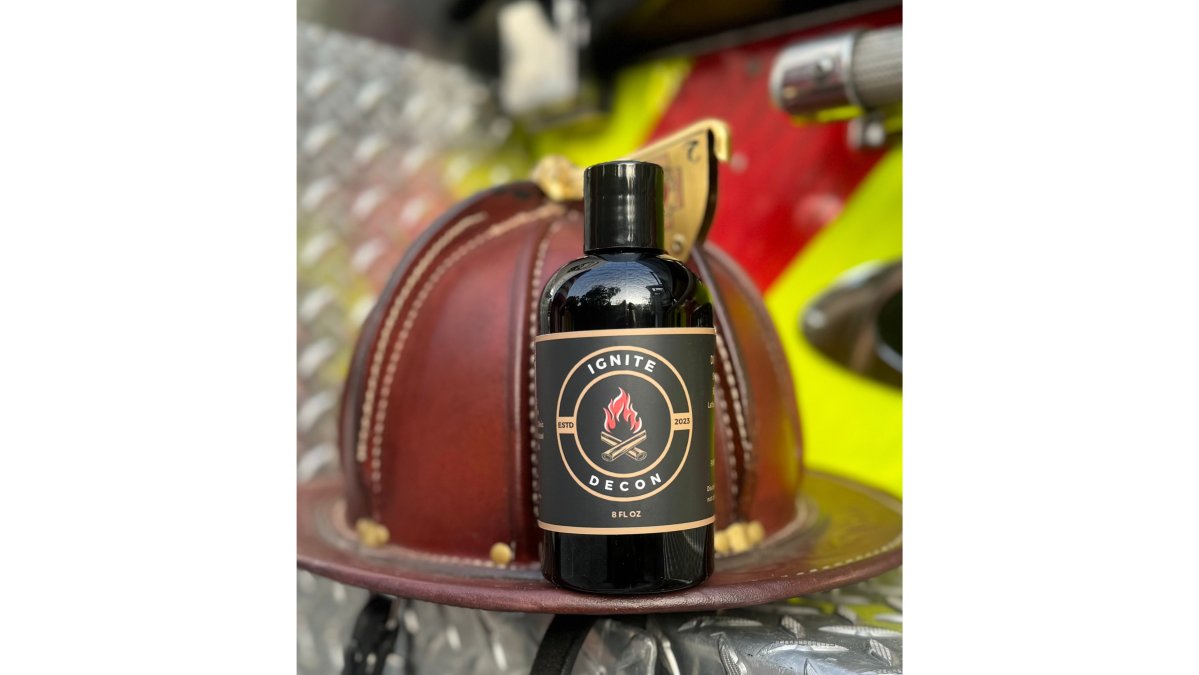
Quality decontamination soaps use activated charcoal and botanical extracts to break down compounds found in modern structure fires. EH Coverings' All In One Liquid Decon Soap extracts toxins and odors.

Use warm water and work the decontamination soap through your gear systematically, spending extra time on areas that contacted flames or heavy smoke. Rinse thoroughly until the water runs clear.
Firefighter Gear Inspection Checklist for Daily Use
Daily visual inspection takes five minutes and can identify degradation before it becomes a safety issue.
Visual Inspection Points
Start with the outer shell. Look for tears, abrasions, or shiny spots indicating thermal damage. Check all seams, particularly at stress points like shoulders and underarms, where multiple layers are stitched together.
Reflective trim serves a critical safety function. Inspect reflectivity by shining a flashlight at your gear; if the coating is faded or peeling, replace it.
Check for moisture barrier failure by looking at the thermal liner for water staining, discoloration, or separation from the outer shell. A compromised moisture barrier means thermal protection is reduced and your gear no longer meets NFPA standards.
Hardware, zippers, snaps, and buttons should operate smoothly. Replace corroded or damaged hardware immediately rather than waiting for a full gear replacement cycle.
Post-Fire Incident Inspection Protocol
After significant fire exposure, conduct a detailed inspection before returning gear to service, looking for damage that might not be obvious to the naked eye.
Check for heat damage by looking for color changes, melting, or brittle fabric. Inspect all seams with scrutiny, as heat can compromise the thread holding layers together.
Examine the thermal liner for scorching, melting, or adhesion to the moisture barrier. Any of these indicate the gear experienced temperatures close to or exceeding its design limits.
Document your findings. NFPA 1851 requires maintenance records, and those records are your evidence that you're managing your gear responsibly. If you find damage that makes the gear unsafe, remove it from service immediately. Using compromised gear in the field is a risk no firefighter should take.
How to Restore Old Fire Helmets and Extend Service Life
Helmet restoration is a practical way to extend the service life of equipment that's still structurally sound but showing signs of age and wear. Unlike turnout coat and pants, which have multiple layers that degrade over time, helmets are more durable and can often be restored to functional condition with targeted repairs.
Assessment and Planning
Examine the shell for cracks, dents, or brittleness from UV exposure. Check the interior suspension system, the webbing and straps that hold the helmet on your head, which often degrade before the shell itself fails.
Inspect the face shield. Polycarbonate shields become cloudy and brittle over time, reducing visibility and impact protection. Replacement shields are straightforward to install.
The chin strap and hardware are critical inspection points. EH Coverings provides American-made brass front holders and custom leather helmet accessories that fit standard helmets, allowing you to restore functionality without replacing the entire helmet.
Restoration Steps and Hardware Replacement
Clean the helmet thoroughly with mild soap and water. Use a soft brush for stubborn discoloration rather than abrasive scrubbing.
Replace the chin strap if it's cracked, frayed, or no longer provides a secure fit.
Replace the face shield if it's cloudy, cracked, or scratched. Modern replacement shields are impact-resistant and maintain clarity over extended service.
If the shell has minor dents that don't affect function or safety, you can leave them as is, they're part of the helmet's history.
Material-Specific Durability and UV Degradation
The materials in your protective ensemble don't all degrade at the same rate or in the same way. Understanding material-specific durability helps you prioritize maintenance and make informed decisions about when gear needs to be retired.
Gear Replacement Cycles and Budget Planning
Most fire departments operate on a gear replacement cycle that balances budget constraints with safety requirements. NFPA 1851 requires gear to meet performance standards throughout its service life, so replacement timing depends on actual use and degradation.
Digital Tracking and Inventory Management for Protective Ensembles
Modern fire departments use digital systems to track protective ensemble service life, maintenance history, and degradation to make informed decisions about retirement and budget allocation.
Frequently Asked Questions
How long does professional firefighter gear last before retirement?
NFPA 1971 standards typically establish a 10-year service life for structural firefighting protective ensembles, though this can vary based on usage frequency, environmental exposure, and maintenance quality. Gear may require earlier retirement if thermal protective performance degrades, seam integrity fails, or moisture barrier damage occurs. Regular inspection and proper cleaning extend gear within this window, but departments must track service dates carefully and retire equipment that no longer meets performance standards.
What does NFPA 1851 turnout gear maintenance require?
NFPA 1851 mandates routine cleaning after every fire exposure, advanced decontamination for carcinogen removal, and documented inspection records. Departments must establish cleaning schedules, train personnel on proper decontamination protocols, and maintain detailed maintenance logs for each protective ensemble. The standard requires removal of contaminants and volatile organic compounds through appropriate soap and cleaning techniques, with testing proving non-detectable contaminant levels on skin surface when using certified decon products.
What are the main signs that firefighter gear needs replacement?
Watch for visible outer shell damage, tears in the thermal liner, compromised moisture barrier, failed seam integrity, degraded reflective trim, or hardware failure. UV degradation causes material brittleness and reduced tear strength. Abrasion resistance decreases with age, making gear more prone to punctures. If thermal stability is compromised or thermal protective performance testing fails, immediate retirement is necessary. Post-fire inspection should catch damage requiring replacement before the next deployment.
How does UV exposure affect firefighter gear durability?
Ultraviolet radiation degrades synthetic fibers in the outer shell, thermal liner, and moisture barrier, reducing tear strength and abrasion resistance over time. Prolonged sun exposure during storage or outdoor activities accelerates this degradation. Protective ensembles stored in direct sunlight experience faster material breakdown than those kept in controlled environments. Proper storage practices, including indoor racks away from windows, significantly extend gear lifespan and maintain compliance with thermal protective performance standards.
Can custom leather accessories like helmet holders improve gear longevity?
Yes. Quality brass front holders and custom leather helmet accessories are built to last throughout your entire career. These additions preserve structural integrity and appearance, extending the service life of your helmet setup and reducing the need for premature restoration or replacement.
What should a firefighter gear inspection checklist include?
Inspect the outer shell for tears, cracks, and UV damage. Check thermal liner attachment and integrity. Verify moisture barrier function and seam strength. Examine reflective trim for degradation or separation. Test hardware functionality and corrosion levels. Review cleaning records and decontamination logs. After fire incidents, perform detailed post-fire inspection for heat damage, carcinogen contamination, and material failure. Document all findings in your PPE maintenance log to track when replacement becomes necessary.