

Table of Contents
- Is Custom Leather Gear Good for Daily Use?
- Durability and Longevity in Daily Firefighting
- Custom Leather vs. Synthetic Gear: What Performs Better
- Safety, Abrasion Resistance, and Impact Protection
- How to Break in Custom Leather Gear for Comfort
- Leather Gear Maintenance Tips for Daily Commuters
- Cost-Per-Wear and Long-Term Value Analysis
- Conclusion
- Frequently Asked Questions
Last Updated: September 26, 2026
Is Custom Leather Gear Good for Daily Use?
Custom leather gear has become increasingly popular among firefighters, but the real question is whether custom leather gear daily use is worth the investment. At EH Coverings, we understand what separates gear that merely looks good from gear that performs under pressure.
The answer depends on your department's requirements, budget, maintenance commitment, and desire for personalization. This guide breaks down what you need to know before committing to custom leather gear for daily use.
| Factor | Daily Use Suitability | Key Consideration |
|---|---|---|
| Durability | Excellent | Full-grain leather is known to improve with age |
| Break-in Period | Moderate | A break-in period is typical before comfort peaks |
| Maintenance | High | Regular conditioning required |
| Cost-Per-Wear | Good long-term | High upfront, amortizes over career |
| Weather Resistance | Good | Requires proper treatment and care |
| Custom Fit | Excellent | Eliminates sizing compromises |
Durability and Longevity in Daily Firefighting
Custom leather gear built from full-grain leather can outlast synthetic alternatives by years when properly maintained. Firefighters often wear the same leather helmet accessories for many years, with the material developing a rich patina. This longevity makes custom leather cost-effective despite higher upfront prices.
The key to durability lies in material quality and construction. Full-grain leather has superior tensile strength compared to split leather or bonded materials. It resists abrasion better and maintains its structural integrity even after repeated exposure to heat, moisture, and friction. EH Coverings provides high-quality, American-made gear designed specifically for the fire service, ensuring your custom gear withstands the demands of daily firefighting.
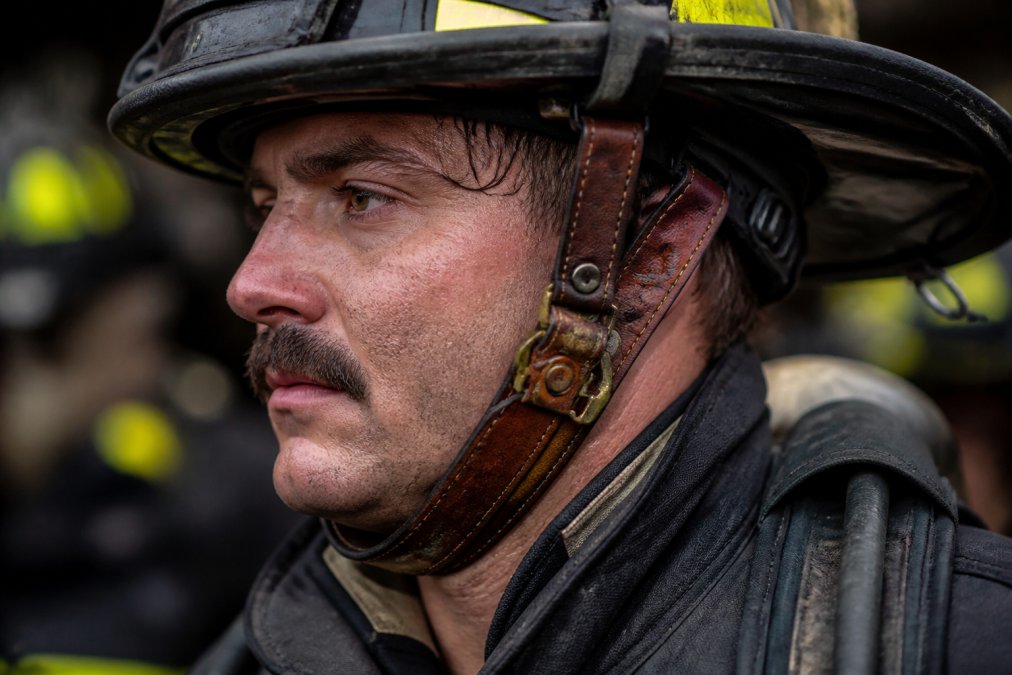
Lower-quality leather develops cracks and becomes brittle over time. Full-grain leather becomes more supple and develops character.
Stitch integrity matters as much as the leather itself. Custom leather gear from EH Coverings is built to last for the duration of a career. Loose stitches signal poor construction and indicate gear won't survive long-term use.
Custom Leather vs. Synthetic Gear: What Performs Better
Synthetic materials are lighter and may require less maintenance, but they may not breathe as well as leather, degrade faster under UV exposure, and may lack leather's impact absorption properties.
Leather's natural structure can provide thermal regulation, potentially staying cooler in heat and warmer in cold. This can matter during extended shifts in varying conditions; synthetics may feel stiff and uncomfortable during extended wear.
Leather's density and flexibility can absorb impact. During active structure fires or tight-space navigation, impact absorption can make a real difference. Synthetic materials may compress and lose protective properties faster.
Durability comparisons often favor leather for daily use over many years. While synthetics may last a shorter period, custom leather gear can perform well for longer, potentially shifting cost-per-wear in leather's favor.
Safety, Abrasion Resistance, and Impact Protection
Custom leather gear designed for firefighting can offer impact absorption and abrasion resistance. Full-grain leather can resist tearing and maintain integrity under extreme conditions.
Leather's natural density can mean it doesn't pill, fray, or degrade from repeated friction as some synthetics do. This matters during search-and-rescue operations or debris navigation, your gear needs to protect you.
Custom gear allows for customization rather than accepting manufacturer standards.
How to Break in Custom Leather Gear for Comfort
New leather gear feels stiff, this is normal. A break-in period of regular use is typical, during which the leather molds to your body and becomes more supple. Consistent daily wear is essential.
Wear your custom gear for full shifts, not occasionally. The leather needs exposure to your body heat, movement patterns, and daily friction to properly conform.
Don't abandon custom gear too early due to break-in discomfort. Many firefighters report comfort improvement after a break-in period.
Leather Gear Maintenance Tips for Daily Commuters
Custom leather gear daily use requires regular maintenance to preserve leather and manage hygiene, an often-overlooked aspect of wearing the same gear shift after shift.
Cleaning and Sweat Management
Conditioning and Protective Treatment
Storage and Odor Prevention
Inspection and Damage Prevention
When to Deep Clean or Restore
Cost-Per-Wear and Long-Term Value Analysis
Custom leather gear costs more upfront than generic alternatives. A quality custom leather helmet accessory can be found at various price points. This feels expensive until you calculate cost-per-wear over the life of the gear and account for the full cost of ownership.
The Math: Leather vs. Synthetic Over Time
If you consider the long-term use of custom leather gear, the cost-per-wear can be very favorable. For example, a durable chin strap can offer significant value over many years of daily use compared to alternatives that require more frequent replacement.

The true cost-per-wear calculation includes maintenance and storage logistics. While leather may require conditioning and waterproofing, synthetic gear may require replacement cycles that add labor and downtime costs.
Hidden Costs: Storage and Workspace Logistics
One often-overlooked factor in daily-use gear decisions is storage and workspace management. Custom leather gear may be bulkier than lightweight synthetics, and storing multiple pieces at a station, in a locker, or at home may require dedicated space.
If you're storing gear at a station, appropriate storage space can help prevent damage. If your station lacks adequate storage, you may need to consider alternative storage solutions. This hidden cost, either in locker space allocation or daily transport time, can add up.
For daily commuters who store gear at home, custom leather may require a dedicated shelf or hanging space away from direct sunlight and heat sources. Cramped storage can accelerate deterioration and make maintenance harder. If your home lacks suitable storage, you may need to consider investing in additional storage solutions. This is a real cost that should factor into your decision.
Consistency and Replacement Friction
Beyond the numbers, there's the consistency factor. Custom leather gear can offer consistent performance over time. Replacing gear repeatedly may mean relearning fit and performance each time. For daily-use professionals, consistency can have real value, it may reduce cognitive load and eliminate the adjustment period that comes with new gear.
Customization options also affect long-term value. The ability to personalize your gear, adding your company number or selecting custom hardware, means you're more likely to keep and maintain the gear rather than replacing it. Gear you care about personally may get better maintenance and last longer. This psychological factor can be underrated in value calculations but matters in practice.
Environmental and Sustainability Considerations
The environmental impact of long-term use also factors into true cost-per-wear. One piece of custom leather gear lasting many years can generate less waste than replacing synthetic gear multiple times. Manufacturing and shipping replacement gear multiple times can create carbon emissions and packaging waste. If sustainability factors into your decision-making or your department's procurement standards, leather's longevity can be a meaningful advantage.
Additionally, ethically sourced leather from reputable suppliers can carry a premium but supports sustainable practices. Choosing ethically sourced custom leather can mean supporting suppliers who manage leather production with environmental accountability.
Conclusion
Custom leather gear is worth it for daily use if you're willing to commit to maintenance and can justify the upfront investment. The durability, comfort after break-in, and customization options make it a solid choice for firefighters who want gear that lasts their entire career. EH Coverings specializes in American-made custom leather gear designed specifically for this purpose, products like the Chin Strap and Carved Front Holders for Service are built to withstand years of active duty while maintaining their protective properties and appearance.

Frequently Asked Questions
Is custom leather gear good for daily use in firefighting?
Custom leather gear performs well for daily firefighting when properly maintained. Full-grain leather develops a protective patina over time and provides abrasion resistance. The key is understanding the break-in period and committing to a regular maintenance routine. Many career firefighters find their custom leather gear to be long-lasting.
How does custom leather vs. synthetic gear compare for daily wear?
Custom leather gear can offer longevity and impact absorption, while synthetic alternatives may offer lower initial cost and easier maintenance. Full-grain leather can develop a protective patina and maintain flexibility. However, leather may require regular conditioning and weatherproofing. Synthetic gear may not offer the same thermal regulation and breathability as leather, potentially making it less comfortable during extended daily use. For career firefighters prioritizing durability, custom leather can be a strong choice over a multi-year period.
What maintenance is required for leather gear used daily?
Daily-use leather gear benefits from a consistent maintenance routine: clean regularly with a soft cloth, condition with a quality leather conditioner, and weatherproof as needed. Inspect stitching and hardware for wear, store in a cool dry space away from direct sunlight, and avoid prolonged exposure to extreme heat or moisture. Proper maintenance can extend the lifespan and keep the leather flexible and resistant to cracking.
How long does it take to break in custom leather gear?
Most custom leather gear requires a break-in period of regular daily use to break in properly. During this period, the leather softens and molds to your body. You may experience minor discomfort initially, but this decreases as the material becomes more flexible. Wearing the gear during training or lower-intensity shifts before critical operations can help accelerate the break-in process. Once broken in, the gear can provide comfort and ergonomic design.
The decision between custom leather and off-the-shelf alternatives comes down to your priorities. If durability, customization, and long-term value matter more than convenience, custom leather gear delivers. Get started with EH Coverings and invest in gear that supports your entire career, American-made quality that performs when it counts.